
In today’s volatile electronic component market, supply chain integrity is more critical than ever. For procurement managers and PCB assembly professionals, a single counterfeit Integrated Circuit (IC) can lead to catastrophic product failures, costly recalls, and irreparable damage to brand reputation.
At SHENZHEN TF Electronic Co.,LTD, we understand that quality is the lifeline of your manufacturing process. In this guide, we share professional insights on how to identify counterfeit ICs and ensure your supply chain remains secure.
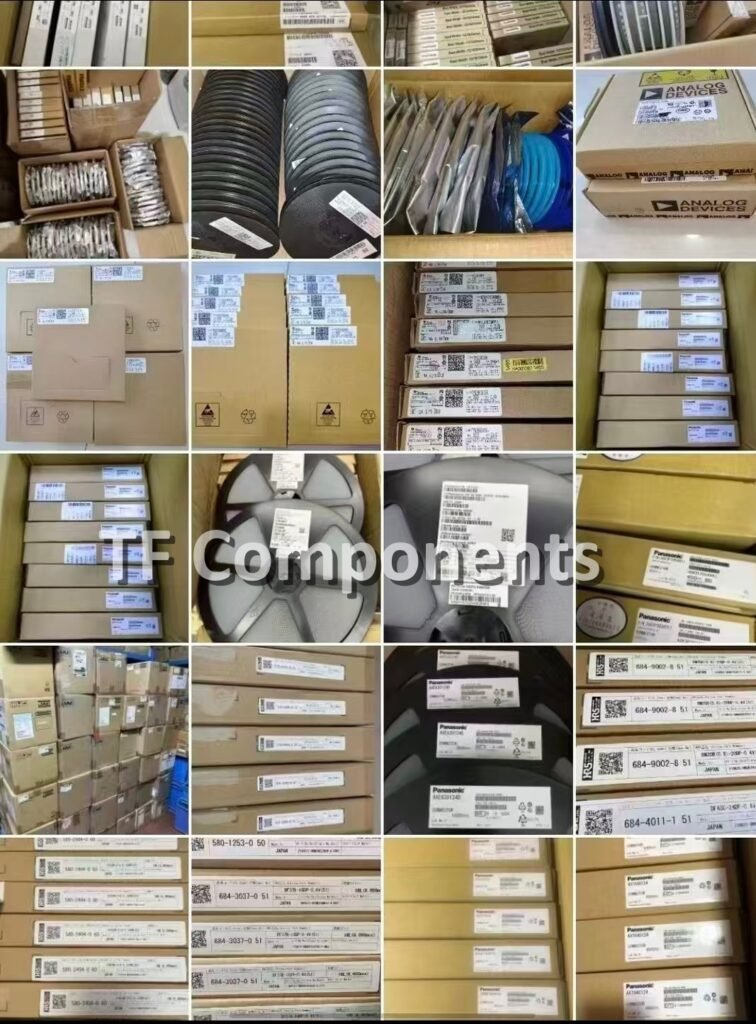
Why Counterfeit ICs are a Rising Threat
Global semiconductor shortages and high demand for legacy parts have created a playground for counterfeiters. These “fake” components often fall into three categories:
- Remarked Parts: Lower-grade chips reprinted with high-end part numbers.
- Recycled Components: Used chips pulled from old PCB boards, refurbished, and sold as new.
- Defective Stock: Substandard parts that failed factory testing but were illegally sold.
Key Methods to Identify Counterfeit ICs
1. External Visual Inspection (EVI)
Before any technical testing, a thorough visual inspection can reveal significant red flags.
- The “Blacktopping” Test: Counterfeiters often use a thin layer of black epoxy to cover original markings. Use an acetone wash or a scrape test to see if the top surface peels away to reveal a different part number underneath.
- Marking Inconsistencies: Look for misaligned logos, inconsistent font sizes, or ink that smears easily. Genuine components from reputable manufacturers use precise laser etching.
- Country of Origin: Verify if the “Made in” country matches the manufacturer’s known production sites.
2. Physical Lead and Package Analysis
- Sanding Marks: If the surface of the IC shows fine scratches or an uneven texture, it has likely been sanded down to remove original branding.
- Pin Condition: Genuine new-old-stock (NOS) should have clean, bright pins. Dull, bent, or excessively shiny pins (re-tinning) are signs of recycled components.
- Indentation and Dimples: Every IC mold has specific indentations. Compare the component in hand with the official TF-ELEC Datasheet to see if the mold markings align.
3. Advanced Laboratory Testing
For high-reliability PCB projects, visual inspection isn’t enough.
- X-Ray Inspection: This reveals the internal die size, wire bonding, and lead frames without damaging the part.
- Decapsulation: Removing the outer shell to inspect the silicon die for the manufacturer’s original logo and die-tracking numbers.
Sourcing Strategies: How to Mitigate Risk
The most effective way to avoid counterfeits is to partner with transparent and reliable distributors.
- Request Full Traceability: Always ask for the Certificate of Conformance (CoC).
- Avoid “Too Good to Be True” Prices: If a hard-to-find IC is priced significantly lower than the market average, it is likely a counterfeit.
- Partner with Experts: Work with suppliers who have a proven track record in the electronic Components industry.
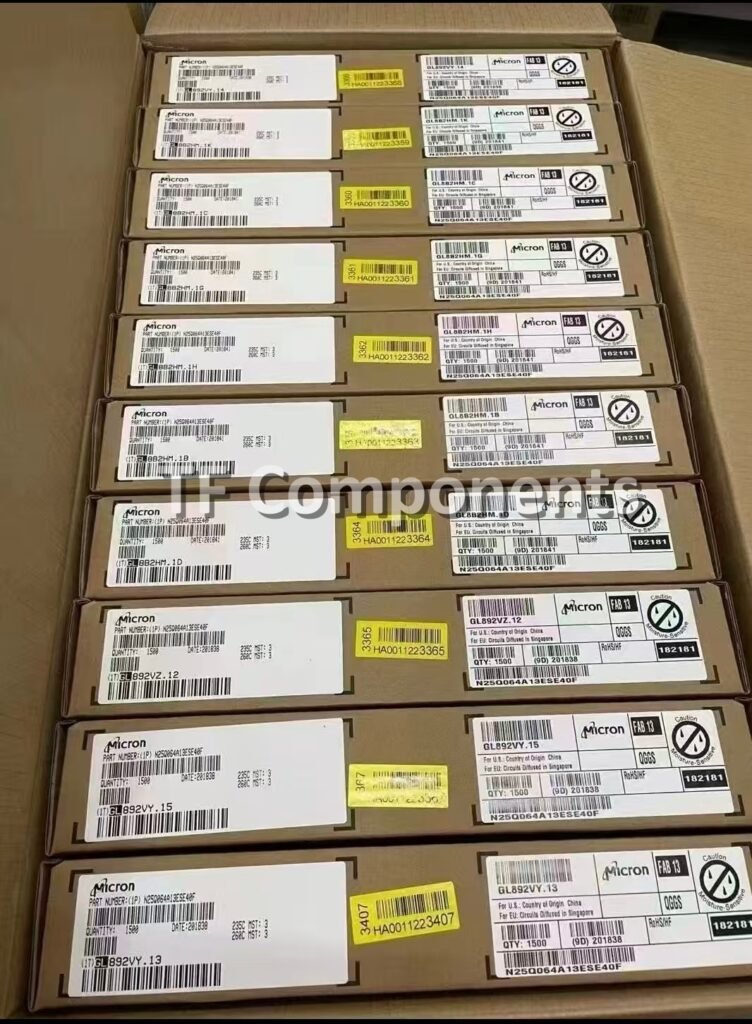
Why Trust SHENZHEN TF Electronic Co.,LTD?
At SHENZHEN TF Electronic Co.,LTD, we bridge the gap between high-quality electronic components and reliable PCB manufacturing. Our rigorous quality control process ensures that every capacitor, resistor, and IC we distribute meets the highest industry standards.
Whether you are sourcing for medical devices, automotive electronics, or industrial automation, SHENZHEN TF Electronic Co.,LTD provides the technical support and authentic parts you need to succeed.